


Why We Get What We Deserve
Written by Philip L. McKenzie & Michael Brooks
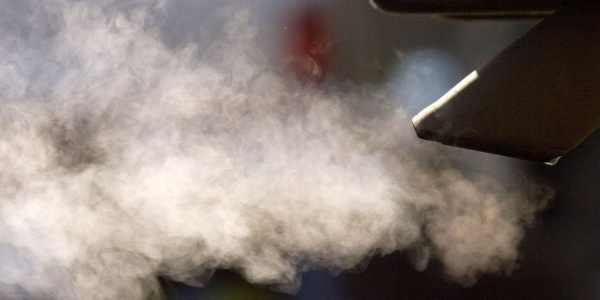
Last week two stories dominated the business pages and spread through the social media bloodstream. First car manufacturing giant (and aggressively green branding) company, Volkswagen admitted to a global scheme to evade US clean air emissions standards on its diesel fleet. The ensuing fallout has already cost CEO Martin Winterkorn his job, the company has shed billions in market share as the stock price has plummeted and now faces an uncertain future.
And, of course there is Martin Shkreli, the CEO of Turing Pharmaceuticals who raised the price of their drug Daraprim more than 4000%. The outrage was instant, as he was attacked across social media with even Presidential hopeful Hillary Clinton weighing in. Shkreli seemed to revel in the role of the bad guy and having a smirky douche bag face certainly helped him fit the role.
Both stories speak to our deeper sense of “right” and “wrong” and offend our sensibilities. We don’t like cheating and greed and when it’s so naked and the costs so high-it piss us off. This is all good, but to what end? The bigger question is how long are we going to ignore the fact that our current economic and social system rewards and pushes for the very same behaviors we see in Volkswagen’s devious leadership and Martin Shrekli’s life threatening price gouging.
The reality is that as long as we value year over year growth, scale and the ensuing greed that it engenders we are asking for and getting the Volkswagens and Martin Shkreli’s we deserve.
To quote a line we love these outbreaks of greed and corruption “are a feature, not a bug” of the system. What that means is that we reward and implicitly endorse greed, corruption, inhumane ethics as a matter of course. This is simply what we do. Shkreli’s douchbaggery notwithstanding doesn’t make him any different that most of the pharma industry. As far as Volkswagen they are good company with an industry that has historical resisted technological progress and at other times criminally endangered the public
If we are outraged by behavior that does not serve our highest selves we must reward new behavior. We must reject short-term thinking, profit over people and negligence of our natural ecosystems. There are many steps we can take but these first three are critical toward creating a healthy and vibrant business environment.
- Embracing “true” risk – Companies talk about taking risk but this is just lip service. The vast majority of companies are actually risk averse and play not to win but rather not to lose. True risk means having adult conversations with stakeholders and explaining what is reasonable to expect in terms of growth and market share. Instead in the Volkswagen case they took an unethical shortcut of lying and cheating to accomplish the goal of being the #1 car manufacturer in the world.
- Commitment to a long-term strategy – Volkswagen and Shkreli both suffered from short term thinking even if in their minds the time horizons for their goals extended years in the future. Both of their reputations have taken massive hits that they might never recover from. Volkswagen’s ten-year plan based on lies and fraud has been a disaster on the level of the Exxon Veldez. A true commitment to a long-term strategy could have prevented their downfall. Instead of circumventing current emissions standards Volkswagen would have been better served questioning the long-term efficacy of their entire business model. Beyond diesel and cleaner fuel choices the big question is what does mobility itself look like in the next 15, 20, 50 years? That is the long term, big picture thinking necessary to keeping a company not just “innovative” but alive. Shkreli embraced the worst of the “quarter to quarter” mentality favored by Wall Street and decided he would rather gouge now and worry later.
- Embrace a bigger set of values- Corporations use the language and branding cues to project the image of being good corporate citizens but seem to fail again and again when the stakes are high and the challenges are real. Its time to restructure corporate governance not just its branding to reflect the reality of their active role interfacing with every community and ecosystem on earth. You need to be citizens and start making your rhetoric a reality.